Responders First
A community-driven initiative honoring and supporting Los Angeles first responders—firefighters, paramedics, and law enforcement—with up to $10,000 in-kind grants per project. Learn more at www.respondersfirst.la


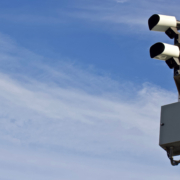
Automatic License Plate Readers (ALPRs) are high-speed camera systems that capture and store license plate data from passing vehicles. These systems are widely used by law enforcement agencies and private entities to monitor traffic, locate stolen vehicles, and investigate crimes. However, ALPRs also raise important questions about privacy, data retention, and community oversight.
Electronic Frontier Foundation (EFF)
In-depth articles and legal analysis on ALPR technology and surveillance rights. Visit this link for more.
ACLU’s Guide to ALPRs
Explains how ALPRs work, where they are used, and what communities can do to ensure transparency. Visit aclu.org/alpr for more.
Brennan Center for Justice
Reports on law enforcement use of ALPRs and policy recommendations for protecting civil liberties. Visit this link for more.
OpenALPR Project
Learn about the open-source software powering ALPR systems and how it’s evolving in public and private sectors. Visit this link for more.
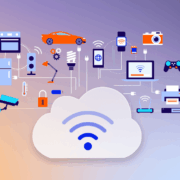
Internet of Things (IoT) technology is transforming the way single-family homeowners manage safety, comfort, and energy efficiency. From smart doorbells and thermostats to leak detectors and outdoor cameras, IoT devices offer powerful benefits—but they also introduce new considerations around data privacy, connectivity, and reliability.
Consumer Reports – Smart Home Buying Guide
Unbiased reviews and practical tips on choosing reliable IoT devices like smart locks, lights, and cameras.
👉 consumerreports.org/smart-home
FTC’s Guide to Home IoT Security
Explains how ALPRs work, where they are used, and what communities can do to ensure transparency. Visit aclu.org/alpr for more.
CISA (Cybersecurity & Infrastructure Security Agency) – Securing Smart Homes
Reports on law enforcement use of ALPRs and policy recommendations for protecting civil liberties. Visit this link for more.
Energy Star – Smart Thermostat Savings
Learn about the open-source software powering ALPR systems and how it’s evolving in public and private sectors. Visit this link for more.

These provide reliable data and policy frameworks for understanding how emergency response systems function.
LA City Controller’s Audits & Reports
Get detailed city-level audits, including LAPD and LAFD resource allocation and performance. Visit Controller.lacity.gov/audits for more information.
National Fire Protection Association (NFPA) Standards
Standards like NFPA 1221 and 1710 define best practices for call answering, dispatch, and response times. Click this link for more information.
Fix The City, Inc.
Toggle Content goes here
Electronic Frontier Foundation – Surveillance and Public Safety
Explores how tech like ALPRs and smart surveillance intersects with emergency systems. Visit this link for more.
ACLU of Southern California
Offers legal and policy support for residents concerned with LAPD conduct, 911 mishandling, or surveillance abuse. Visit here for more.

Engage the public in monitoring, mapping, and preparing for emergency situations.
911.gov - National 911 Program
Covers how 911 systems are structured nationwide, including NextGen 911 reforms. Visit www.911.gov for more information.
PulsePoint App
A community-driven emergency response tool showing nearby 911 calls and CPR-needed incidents. Visit www.pulsepoint.org for more information.
Neighborhood Data for Social Change - USC
Explore localized data on emergency response, crime, and healthcare gaps. Visit la.myneighborhooddata.org for more information.
City of LA Open Data Portal
Toggle Content goes here
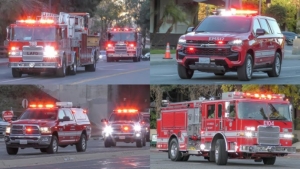
When you call 911, every second counts—but not all delays are visible. Recent data compiled by Fix The City reveals that average response times by the Los Angeles Fire Department (LAFD) often exceed national standards due to dispatcher shortages, resource gaps, and outdated deployment models.
For example:
Only 43% of emergency calls met the standard of being dispatched within 90 seconds.
Just 57.1% of units arrived on scene within 5 minutes—far short of the 90% national benchmark.
Firefighters often press the “On Scene” button before actual arrival, creating the appearance of faster response times.
LAFD handles over 3,000 calls daily, with 80% being medical emergencies—yet staffing and equipment are stretched thin.
This isn’t a reflection of our firefighters’ heroism—it’s a systems issue. Knowing how emergency response really works helps residents ask better questions, advocate for safer communities, and prepare themselves.
Explore these resources to learn more: